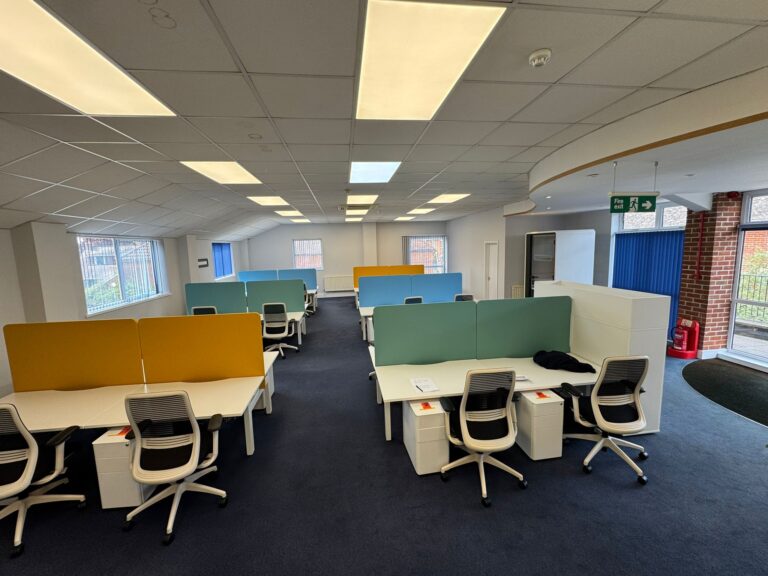
Moving office furniture or managing a full commercial interiors installation is rarely disruptive because of the physical work itself. The disruption usually comes from timing issues, poor coordination and multiple suppliers working in isolation rather than as part of one structured plan.
When an office move is not properly managed, furniture can arrive before the space is ready, installation teams can be waiting for access, and stock may be handled multiple times between storage, transport and final setup. These small inefficiencies quickly turn into downtime for the business.
The most effective approach is to treat the entire process as one connected operation. Storage, transport and installation should be planned together so every stage flows into the next without gaps. When this happens properly, the business can continue operating with minimal interruption while the workspace is being changed, upgraded or relocated.
Why Office Moves Go Wrong More Often Than They Should
Most office moves are not complicated because of the furniture. They become complicated because of coordination gaps between different providers.
A typical breakdown looks like this:
- A storage provider receives goods but has no visibility of installation timelines
- A transport company delivers on a fixed schedule without site readiness checks
- Installers arrive before deliveries are complete
- Internal teams are left managing multiple suppliers at once
Each part works in isolation, but the overall project becomes inefficient.
The key issue is not capability, but alignment. When everyone is working to different timelines, disruption is almost guaranteed.
What A Well-Planned Office Move Actually Looks Like
A smooth office move or commercial interiors installation is usually simple from the client’s perspective because the complexity has already been handled behind the scenes.
A properly structured process typically includes:
- Early assessment of furniture volumes and access requirements
- Agreement on whether storage is needed between phases
- A clear schedule for delivery and installation
- Coordination around business operating hours
- One accountable team managing the full process
The difference is sequencing. Instead of reacting as the project develops, everything is planned in advance so each stage supports the next.
The Role Of Storage In Commercial Interiors Projects
Storage is often underestimated in office moves, but it is one of the most important elements in reducing disruption.
Very few office relocations happen in a perfect straight line from old space to new space. There is usually a gap, whether due to building delays, phased refurbishments or staged relocations.
Using structured business storage allows:
- Furniture to be moved out in controlled stages
- Installation to be scheduled when the site is fully ready
- Reduced congestion during fit-out periods
- Safer handling of equipment during transitions
- Flexibility when project timelines shift
Instead of being a temporary holding point, storage becomes a planning tool that keeps everything stable.
Why Coordination Between Delivery And Installation Matters
One of the most common causes of disruption in commercial interiors installations is the disconnect between delivery and installation teams.
When these are not aligned, issues often include:
- Installers waiting for delayed deliveries
- Furniture arriving without installation readiness
- Items being moved multiple times
- Lack of clarity over responsibility
A coordinated approach avoids this entirely by treating delivery and installation as one process rather than separate services.
This means:
- Furniture arrives in the correct order
- Installation begins immediately or in planned phases
- Handling is reduced
- Communication is centralised
For businesses, this reduces downtime and removes unnecessary internal coordination work.
Why Logistics Is The Foundation Of A Smooth Office Move
Behind every successful office relocation or commercial interiors installation is structured logistics planning.
Good logistics ensures:
- Transport is aligned with building access and working hours
- Storage is used only when needed and planned
- Installation teams receive the right materials at the right time
- Communication stays consistent throughout the project
Without this layer, even well-prepared office moves can become disorganised quickly.
This is why many businesses now look for logistics partners who understand storage, transport and installation as a single system rather than separate services.

Compliance And Why It Matters In Office Moves And Installations
For many businesses, especially those working in regulated industries or larger commercial environments, compliance is a key factor when choosing a logistics partner.
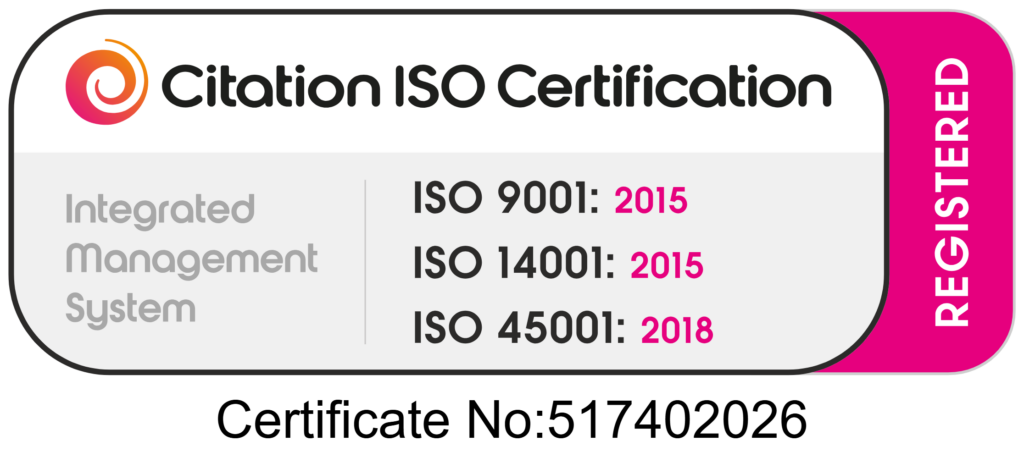
At PB Logistics Solutions Ltd, operations are supported by structured industry standards and accreditation frameworks, including:
- ISO 9001 Quality Management System
- ISO 14001 Environmental Management System
- ISO 45001 Health and Safety Management System
- SSIP approval
- SMAS Worksafe accreditation
- RHA membership
- CSCS-qualified installation capability where required
These standards support consistent processes across every project. In practical terms, this means:
- Work is carried out with clear operational structure
- Health and safety is built into planning and delivery
- Handling processes are consistent and repeatable
- Projects are delivered with documented accountability
For commercial interiors installations, this provides reassurance that work is being managed responsibly and to recognised standards, particularly when projects involve multiple sites or tight timelines.
Common Issues That Create Unnecessary Disruption
Most office move problems come from a small number of avoidable mistakes:
- Leaving planning too late
- Splitting suppliers across storage, transport and installation
- Not accounting for access restrictions
- Underestimating how long installation takes
- Failing to align schedules with business operations
The impact of these issues is rarely immediate, but they compound as the project progresses.
When Businesses Should Bring In A Logistics Partner
A logistics partner becomes particularly useful when office moves involve:
- Large volumes of furniture or equipment
- Multi-floor or multi-site installations
- Phased relocation projects
- Temporary or long-term storage requirements
- Limited tolerance for operational downtime
Involving logistics support early allows the full process to be structured properly from the beginning, rather than adjusted halfway through.
Practical Tips To Reduce Office Move Disruption
A few practical steps can significantly improve outcomes:
- Confirm installation timelines before anything is moved
- Reduce unnecessary handling of furniture between stages
- Keep communication centralised rather than spread across suppliers
- Allow buffer time for site readiness
- Treat storage as part of the plan, not an afterthought
These small adjustments often make the biggest difference in keeping disruption under control.
Frequently Asked Questions
What is the best way to move office furniture without disruption?
Is storage always required during office moves?
Can office furniture be installed in phases?
What causes delays in office relocations?
Why is logistics important in commercial interiors installations?
Final Thoughts: Keeping Office Moves Simple And Controlled
Office furniture moves and commercial interiors installations do not need to disrupt business operations when they are properly structured. The key is treating storage, transport and installation as one connected process rather than separate activities.
When everything is aligned correctly, businesses can relocate, refurbish or expand their workspace without unnecessary downtime or confusion.
If you are planning an office move or commercial interiors installation in St Neots & beyond, early coordination is the most important step in achieving a smooth and predictable outcome.